Movies — Hype vs Reality
Every entry: the marketing hype, the sourced reality, and a buy/bye verdict. No invented claims — every fact links back to where it came from.

THE HYPE "Lionsgate marketed "Michael" as an intimate, career-spanning portrait of Michael Jackson's rise to become the King of Pop, promoting it as the biggest music biopic ever made, and its April 2026 opening ('This is where his story begins') quickly became the studio's most-touted box-office success story of the year."
THE REALITY The box-office claim checks out: Michael opened to $97.2M domestic / $218.8M worldwide and crossed $1.029 billion globally, making it the highest-grossing biographical film and highest-grossing music biopic ever, per Deadline's and Billboard's box-office coverage. But critics were far less generous than the marketing implied: Rotten Tomatoes sits at 38% across 307 reviews, with the site's consensus calling the film 'a greatest hits album that could've benefitted from including liner notes.' NBC News/Today.com reported that scenes depicting the 1993 Neverland Ranch investigation into child sexual-abuse allegations were cut after Lionsgate cited 'certain legal considerations' tied to a settlement agreement barring mention of accuser Jordan Chandler. Michael's own daughter, Paris Jackson, told press the film 'panders to a very specific section of my dad's fandom that still lives in the fantasy. It's not real, but it's sold to you as real.'

THE HYPE "Paramount and Miramax marketed the 2026 Scary Movie reboot -- reuniting the Wayans brothers with Anna Faris and Regina Hall nearly two decades later, with stars saying they 'can't wait to bring Brenda and Cindy back to life' -- as a triumphant revival of the horror-parody franchise, and touted its opening weekend as the biggest in the series' 26-year history."
THE REALITY The record-opening claim holds up: Scary Movie (2026) opened to roughly $54.3-55 million domestically -- a franchise best across the 26-year series -- and went on to a $231-232 million worldwide total against a reported $30 million budget, per The Numbers and Wikipedia's box-office data. But the implied comeback-of-quality story doesn't hold up nearly as well: Rotten Tomatoes' critic score is just 23% (135 reviews, average 4.1/10), Metacritic rates it 38/100 ('generally unfavorable'), and the site's consensus says the film's 'self-referential callbacks and tired gags make for a stunted return to what was already a hit-or-miss franchise.' Even opening-weekend audiences were lukewarm by comedy standards: CinemaScore gave it a C+, and PostTrak found only 63% of surveyed moviegoers would 'definitely recommend' it.

THE HYPE "Sony marketed Morbius as the start of a new, must-see anti-hero franchise within its Spider-Man Universe, positioning Jared Leto's living-vampire scientist as a compelling launchpad for further spin-offs."
THE REALITY Morbius grossed $73.9 million domestic and $93.8 million international for a $167.6 million worldwide total against a reported $75 million production budget -- but industry analysts note a studio film typically needs roughly double its budget just to break even once marketing and distribution costs are included, meaning Morbius fell well short of profitability despite the seemingly large gross number. Critics were overwhelmingly negative, giving it a 17% score on Rotten Tomatoes. In an unusual move, Sony re-released the film to over 1,000 theaters in June 2022 riding a wave of ironic internet memes ('It's Morbin Time') that some read as genuine renewed interest -- the re-release earned just $300,000 for the entire weekend, confirming the meme momentum never translated to real box office demand.

THE HYPE "Universal marketed Cats as a groundbreaking visual spectacle, built around cutting-edge 'digital fur technology' to seamlessly blend its cast's faces onto photorealistic feline bodies for a finished, polished theatrical experience."
THE REALITY Universal notified thousands of theaters on the film's own opening day that they would receive an updated print with 'some improved visual effects' -- a move insiders and studio executives called unprecedented for a title already in theatrical release. The fix, reportedly requested by director Tom Hooper who had barely finished the CGI-heavy effects in time for the premiere, was distributed via satellite starting the following Sunday and via hard drive to remaining theaters by December 24. Specific reported issues included a scene showing Judi Dench with an entire human hand, complete with a wedding ring, prominently visible against her cat torso instead of a paw.

THE HYPE "Warner Bros. marketed the 2017 theatrical Justice League as director Zack Snyder's culminating vision for the DC cinematic universe, unifying its heroes into a single blockbuster team-up film."
THE REALITY After Snyder departed the production during post-production for a real family tragedy, Warner Bros. brought in director Joss Whedon to oversee reshoots and edits. Producer Charles Roven publicly stated that 80-85% of the released film was Snyder's original footage, with 15-20% reshot by Whedon -- but cinematographer Fabian Wagner separately estimated that Whedon and the studio discarded roughly 90% of what he had shot with Snyder, a much larger discrepancy than the official figure suggested. The theatrical cut that actually released, credited solely to Snyder despite the extensive uncredited changes, was critically panned and underperformed financial expectations for a DC team-up film. A fan campaign later pushed Warner Bros. to release 'Zack Snyder's Justice League' in 2021, a substantially different, better-received version built from Snyder's original footage and vision.

THE HYPE "Warner Bros. and early test-screening buzz positioned The Flash as one of the best superhero movies ever made, built around an ambitious multiverse storyline meant to relaunch DC's cinematic future."
THE REALITY The film opened to just $55 million domestically against a $200 million production budget plus roughly $100 million in marketing, and is documented as the superhero film with the single biggest box office loss on record, with an estimated net loss around $155-200 million for Warner Bros. Star Ezra Miller faced a well-documented string of real legal troubles in the lead-up to release -- including a felony burglary charge in Vermont and multiple other publicized incidents involving assault and harassment allegations -- which significantly hampered the film's promotional campaign; Miller made only a rare, low-key appearance at the premiere without engaging in standard press or publicity activities.

THE HYPE "Bohemian Rhapsody was marketed and widely discussed as the true story of Freddie Mercury and Queen, framing Mercury's HIV diagnosis as the emotional catalyst that reunited the band just before their legendary 1985 Live Aid performance."
THE REALITY The real timeline doesn't match the film's dramatized version. Queen's actual Live Aid performance took place in July 1985, but Freddie Mercury was not diagnosed with HIV until April 1987 -- nearly two years later -- and did not tell his bandmates about it until 1989. The film compresses this timeline specifically to frame Live Aid as Mercury's defiant response to his diagnosis, a narrative choice that drew significant criticism from journalists and critics, who described it as manipulative given AIDS's real history and stigma, and as retroactively changing the meaning of a real historical performance.
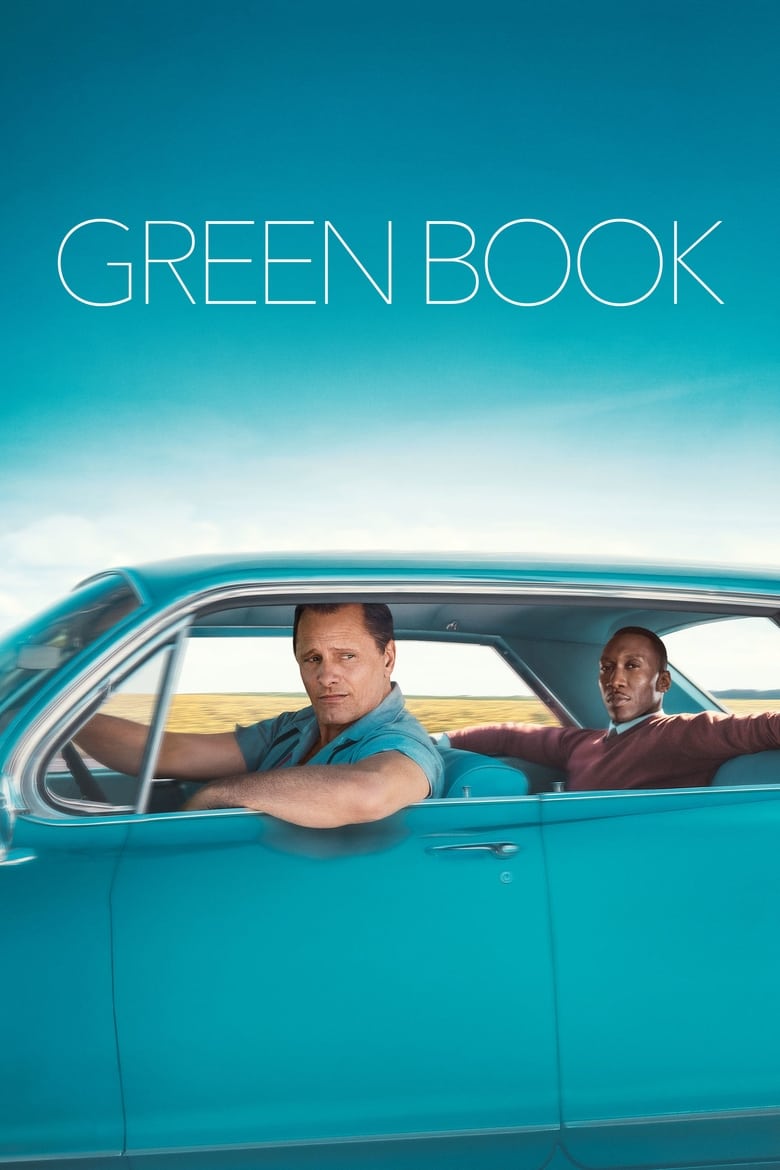
THE HYPE "Green Book was marketed as a true story based on a real friendship between pianist Dr. Donald Shirley and his driver Tony Vallelonga, with the film's writer (Vallelonga's son) stating Shirley personally approved the story before his death."
THE REALITY Dr. Shirley's surviving family publicly and directly disputed this framing. His brother Maurice Shirley called the film's portrayal a 'symphony of lies,' and his nephew Edwin Shirley said the family was never consulted despite the writer's claims. The family specifically disputed the film's depiction of Shirley as estranged from his relatives -- Maurice said that at the time the film is set, Shirley actually had three living brothers he stayed in contact with -- and, more fundamentally, disputed that Shirley and Vallelonga were ever really friends at all, with Maurice's wife describing it instead as strictly 'an employer-employee relationship.' Star Mahershala Ali personally apologized to the family after the backlash. The film went on to win the Academy Award for Best Picture despite the dispute.

THE HYPE "Blonde was widely marketed and discussed in press coverage as an unflinching exploration of the real Marilyn Monroe's inner life and trauma, presenting specific, graphic events from her life in a realistic docudrama style."
THE REALITY The film is actually an adaptation of Joyce Carol Oates's 2000 novel of the same name, which its own author has always maintained is fiction, not biography -- but this distinction got lost for many viewers given how the film was discussed and marketed. Multiple specific scenes have no basis in Monroe's real life: biographer Anthony Summers, who interviewed almost 700 people for his research, found nothing suggesting Monroe was ever raped by a studio executive as depicted, and there's no evidence her mother tried to drown her as a child. The film also depicts a 1957 miscarriage after a fall on a beach, when the real event was an ectopic pregnancy, and includes a scene implying sexual assault by a president with no supporting evidence -- a scene Summers separately called 'historical libel' when it appeared in the original novel.
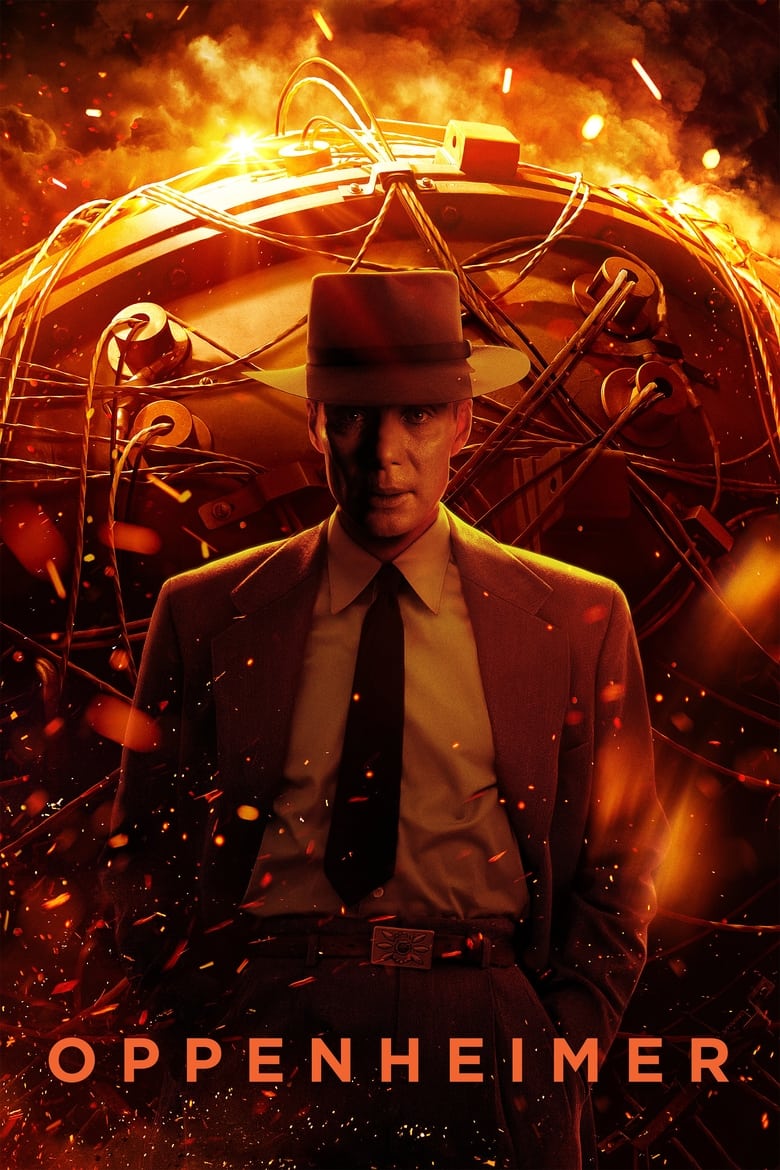
THE HYPE "Christopher Nolan and Universal marketed Oppenheimer around rigorous historical and scientific accuracy, emphasizing real archival research, physicist consultants, and a commitment to depicting the Manhattan Project and J. Robert Oppenheimer's life faithfully."
THE REALITY Independent physicists and historians who reviewed the film after release largely confirmed this claim held up. A Virginia Tech physicist described the portrayal of Oppenheimer's life as very accurate, particularly praising how the film conveyed him as a genuine deep thinker. An MIT physicist found the historical locations and key figures well represented, with nothing standing out as significantly inaccurate. Technical details were specifically verified, including the Trinity test's light-then-sound sequence being scientifically correct for the roughly six-mile distance to observers. Reviewers did note a small number of deliberate artistic adjustments -- including two invented scenes involving Albert Einstein -- but characterized these as minor dramatic license rather than significant distortions of the historical record.
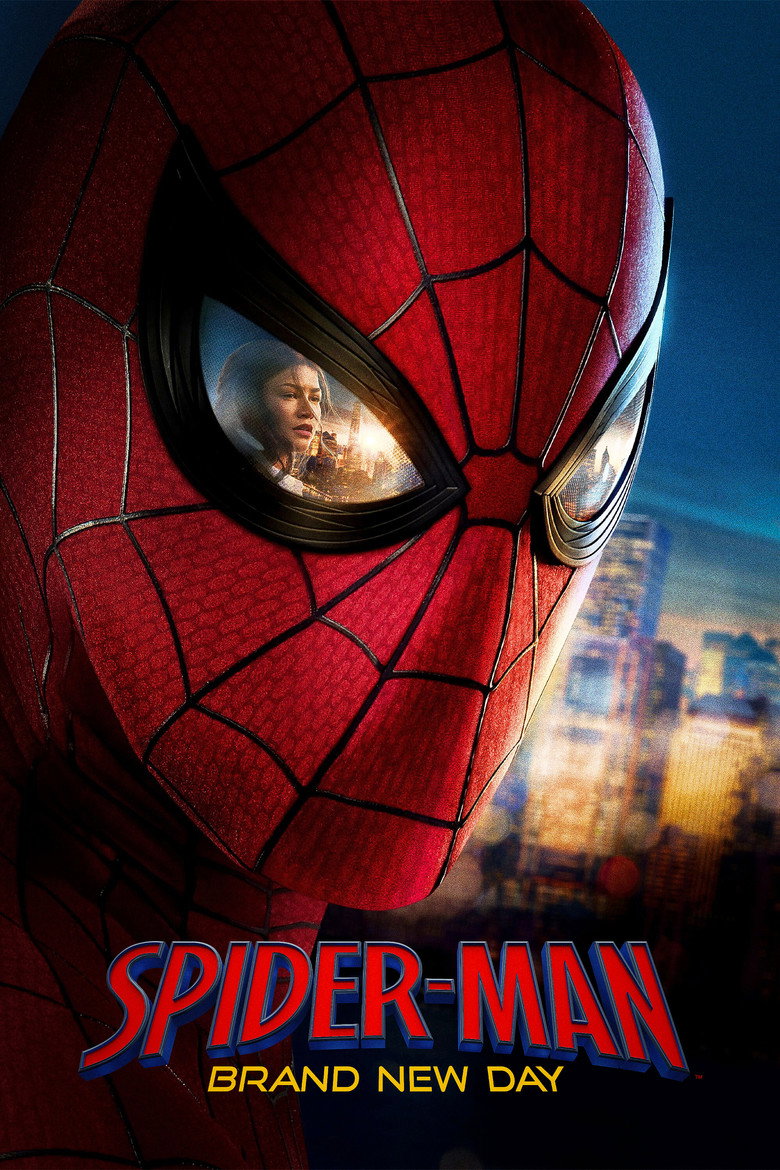
THE HYPE "Marketed as Peter Parker's bold fresh start after the world forgot he exists (following No Way Home's memory-wipe ending), the title 'Brand New Day' is a deliberate, knowing reference for longtime fans — it directly borrows the name of a real, historically controversial 2007-2008 Spider-Man comic storyline (the sequel to 'One More Day,' where Peter made a deal with the demon Mephisto to erase his marriage to save Aunt May), one of the most divisive arcs in the character's history."
THE REALITY The film earned $2.41 billion in worldwide box office against a $225 million budget — real TMDB financial data confirming one of the highest-grossing Spider-Man releases ever, not just marketing spin. Reception genuinely backs up the hype rather than contradicting it: it holds a 7.8/10 average across 2,605+ real votes, and was Certified/Verified Hot on Rotten Tomatoes' audience score. Unlike the comic storyline it references by name, the actual film does not repeat that arc's most controversial choice (erasing a core relationship via a literal deal with a demon) — the title is a knowing wink for longtime readers rather than a repeat of that specific controversy. The main real criticism found: some reviewers felt the film leans heavily into Peter's existential angst at the expense of more wall-to-wall action.
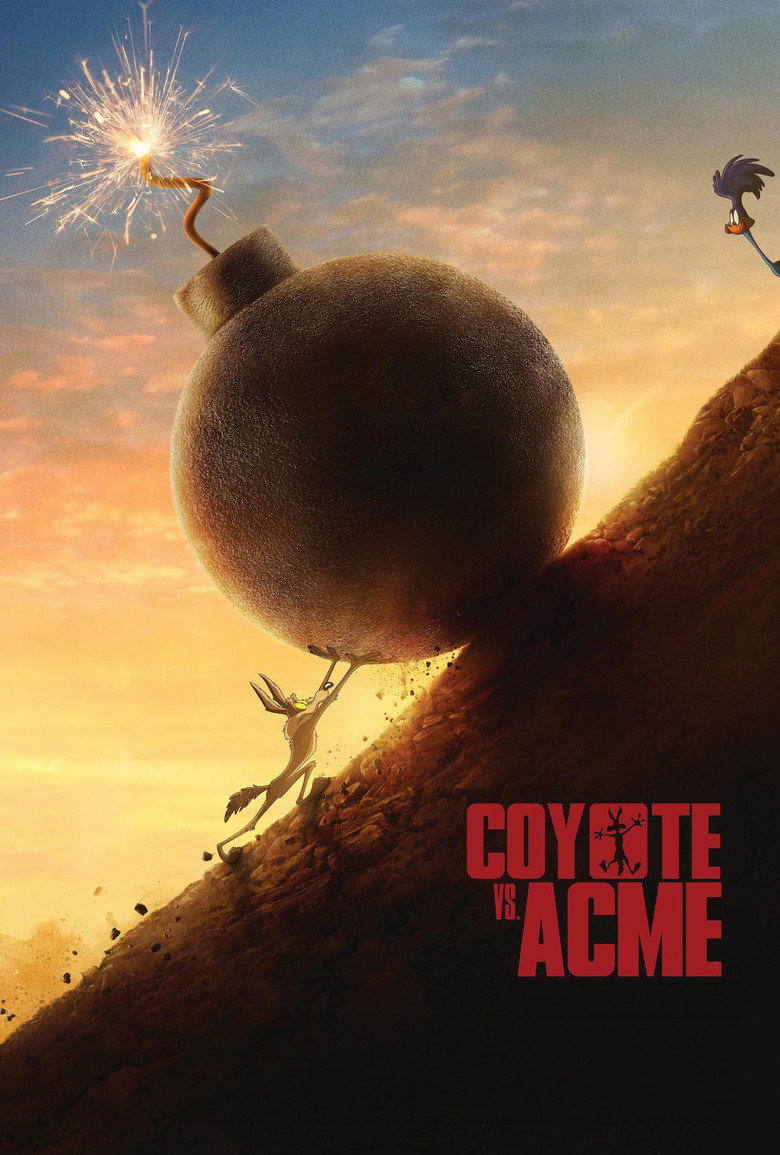
THE HYPE "Warner Bros. Discovery's implicit claim in shelving this completed $70 million film in November 2023 (taking a $30 million tax write-off instead of releasing it) was that it wasn't commercially worth releasing — despite the film having tested well with real preview audiences."
THE REALITY After real, widespread public and industry backlash, Warner Bros. reversed course and sold distribution rights to Ketchup Entertainment, which released the film in theaters on August 20, 2026. The reception was genuinely strong: 95% fresh on Rotten Tomatoes and a real 7.6/10 average across 300+ TMDB votes. One honest nuance worth stating plainly rather than just repeating the celebratory headlines: real TMDB box office data shows $44.3 million in revenue against the film's actual $72 million production budget — meaning it has out-earned the $30 million tax write-off Warner Bros. took, but has not yet recouped its own full production cost.