iRobot Roomba j7
DROP ITby iRobot
Last verified September 13, 2026
💬 — ask a question or share feedback →MIT Technology Review's 2022 investigation found images from Roomba J7 development units -- including a photo of a woman on a toilet and a minor -- were leaked to social media by workers at an overseas data-labeling contractor, though iRobot says these came from testing units, not consumers' purchased Roombas.
iRobot markets the Roomba j7 series around its object-recognition camera system, designed to identify and avoid household obstacles like cords and pet waste, framed as a privacy-conscious, purpose-built navigation feature rather than general surveillance.
MIT Technology Review's December 2022 investigation found that images captured by development versions of the Roomba J7 series -- gathered during a 2019-2022 data-collection program with paid testers -- ended up leaking publicly. In one 2020 case, gig workers in Venezuela hired by contractor Scale AI to label objects in the images (used to train the object-recognition feature) posted at least 15 of those images to closed social-media groups, including a photo of a minor and a photo of a woman sitting on a toilet. Nearly a dozen program participants came forward after the investigation was published, saying they felt misled about how their images would be handled and viewed by outside contractors. iRobot's position is that these images came from development units under separate testing consent agreements, not from a consumer's purchased Roomba operating normally.
It's fair to note these specific leaked images came from development units under testing agreements, not a random customer's Roomba -- that distinction matters and iRobot is right to raise it. But it doesn't fully resolve the concern: the people whose homes and bodies were captured say they were misled about how far their images would travel, and the images ended up, unredacted, in social-media groups run by an outside labeling contractor overseas. A camera-based navigation feature built on this kind of training pipeline deserves that context, even for units that never left the testing program.
- iRobot's own position — iRobot maintains the leaked images came from development units under separate testing consent agreements, not from a consumer's purchased Roomba in normal use.
- MIT Technology Review — Images from the training-data program, including a photo of a woman on a toilet and a minor, were posted by an overseas data-labeling contractor's workers to closed social-media groups; nearly a dozen program participants said they felt misled about how their images would be handled.
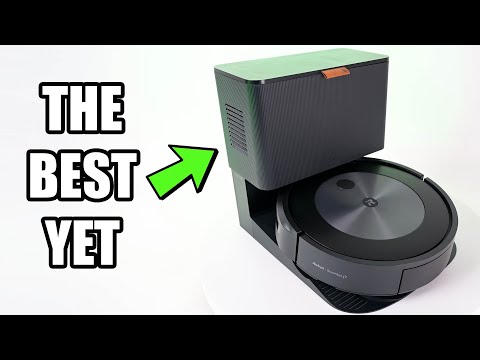
Roomba j7+ - iRobot's Best Robot Vacuum Yet!!! — Vacuum Wars
Did a Roomba really record someone on the toilet?
MIT Technology Review's investigation documented a leaked image of a woman on a toilet, captured by a development version of the Roomba J7 during a data-collection program, later posted to social media by a contracted data-labeling worker.
Were these images from a regular consumer Roomba?
iRobot says no — the company maintains the images came from development/testing units under separate consent agreements, not from a customer's purchased Roomba operating normally.